Episode 165
Bok, prijatelji!
We’re back for another lesson of describing someone.
This time, we’ll hear and learn the descriptive sentences, and then we’ll guess who is the mystery person!
We promise it won’t be too difficult!
Lesson
Currently/at this moment - trenutno
Who am I describing? - Koga opisujem?
This person is a man. - Ova osoba je muškarac.
He is short and has blond hair. -Nizak je i ima plavu kosu.
He was born in Zadar. - Rođen je u Zadru.
He is married and has a son and daughter. - Oženjen je i ima sina i kćer.
He currently plays football in Milan. - Trenutno igra nogomet za AC Milan.
People say that he is the greatest Croatian footballer of all time! - Kažu da je najbolji hrvatski nogometaš svih vremena.
Super Slatko Report
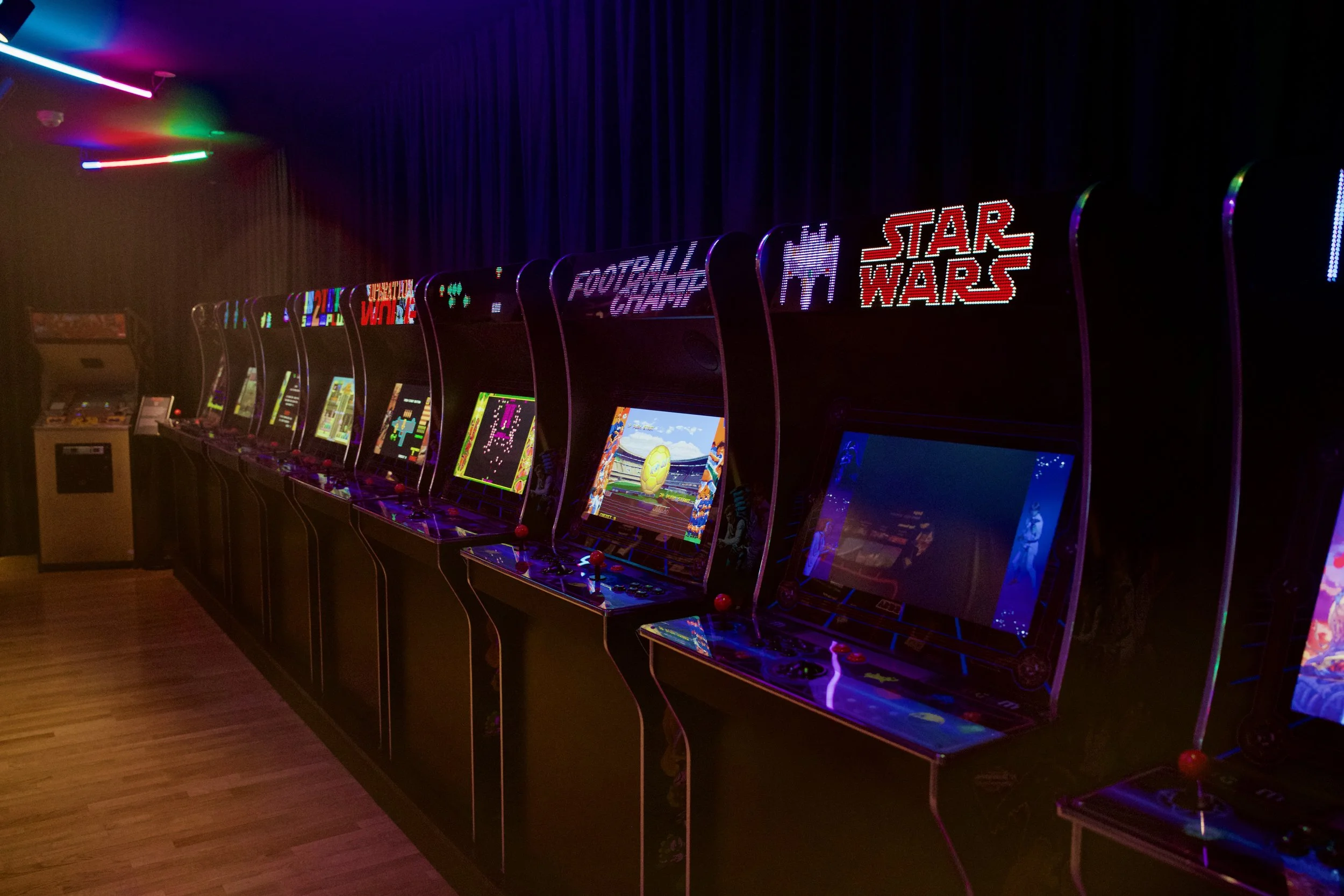
If you’re wandering around central Zagreb and suddenly feel the urge to time-travel, make your way over to the Video Game History Museum (VGHM). The museum sits in the city center, within easy walking distance of Zagreb’s main pedestrian artery, Ilica Street, and not far from landmarks like Ban Jelačić Square and the Lower Town (Donji Grad). This is classic Zagreb territory: Austro-Hungarian façades, cafés on most corners, and trams humming past — but in this museum instead of Baroque art or medieval armor, you’re stepping into a carefully preserved universe of pixels, cartridges, and consoles. It’s old-school history, with beeps and boops.
The VGHM is the brainchild of Damir Šlogar, a Croatian video game industry veteran, collector, and technologist. Born in Croatia and educated in engineering and computer science, Šlogar’s career spans decades of work in software, game development, and digital innovation. He’s worked internationally, contributing to over 150 titles, including: Shrek, Barbie and Battlefield to name a few. But most importantly for this Super Slatko Report— Damir also spent many years assembling one of the largest private video game collections in Europe. VGHM isn’t a side hobby; it’s the culmination of a lifelong passion for documenting how games shaped technology, culture, and creativity.
The Video Game History Museum was built with a mission in mind: to preserve, contextualize, and legitimize video games as cultural artifacts. Getting past nostalgia and promoting a broader cultural awareness and understanding. The museum is for gamers, non-gamers, parents, educators, historians, and anyone curious about how interactive media has evolved. Much like film or music, video games reflect the social anxieties, technological limits, and creative ambitions of their time. Looking at early games today tells us just as much about society’s relationship with technology as it does about fun.
The VGHM is thoughtfully organized by eras and platforms, guiding visitors from early arcade machines and home consoles to later generations of gaming hardware. You’ll find vintage computers, rare consoles, original packaging, and playable setups that let you experience the games firsthand. There are themed sections dedicated to arcades, home gaming, handhelds, and computer gaming, as well as rotating or spotlight exhibits highlighting rare items from the collection. So, yes there are glass cases — but it’s also an interactive history, designed to be explored.
Something did resonate with me while checking out the museum’s ticketing web page, their conduct guidelines. Their first rule is a simple one but powerful one: be curious and respectful. Many of the exhibits are rare, fragile, and irreplaceable — some older than the visitors themselves. Respectful participation means following instructions, handling interactive displays properly, and remembering that this is a shared space meant for learning. It’s the same standard we apply in art or natural history museums: curiosity fuels discovery, but respect preserves it for the next generation.
Speaking of tickets. Tickets are reasonably priced, typically in the range of €10–€15 (roughly $11–$16 USD) as of 2025, with discounts often available for children, students, or families. From Zagreb’s city center, getting there is easy — walking works, but you can absolutely take ZET trams, which stop nearby. The museum can get busier on weekends, rainy days, and during peak tourist season (late spring through summer), so earlier in the year visits tend to be quieter and more immersive.
The Video Game History Museum in Zagreb is proof that cultural preservation doesn’t stop at oil paintings and ancient ruins. It honors an art form that shaped generations, influenced technology, and changed how humans interact with stories. From its central location and visionary founder to its thoughtful exhibits and emphasis on respectful engagement, VGHM treats gaming history with the seriousness it deserves. Because preserving the past — whether it’s Roman stone, medieval manuscripts, or an early console with two buttons and a joystick — ensures future generations understand not just how we played, but who we were when we did.
And that’s it for the Super slatko report