Episode 189
Bok, prijatelji.
Is it getting darker earlier where you live?
It’s because we changed our clocks!
In this lesson, we’ll learn some ‘fall hours’ vocabulary.
Lesson
End of Daylight Savings Time - Završetak Ljetnog računanja vremena
Zimsko računanje vrijeme.
(CET) Central European Time. - Srednjoeuropsko vrijeme.
What happens? - Što se događa?
There is less daylight. - Ima manje dnevnog svjetla.
Light - svjetlo
Darkness - mrak
I wake up in the dark. - Budim se u mraku.
I come home from work in the dark. - Vraćam se kući s posla u mraku.
Super Slatko Report
In this edition of the Super Slatko Report, DJ Moe will tell us about the people who helped found Plitvice Lakes National Park. Such a beautiful Croatian treasure needed a collaboration of three important and capable people.
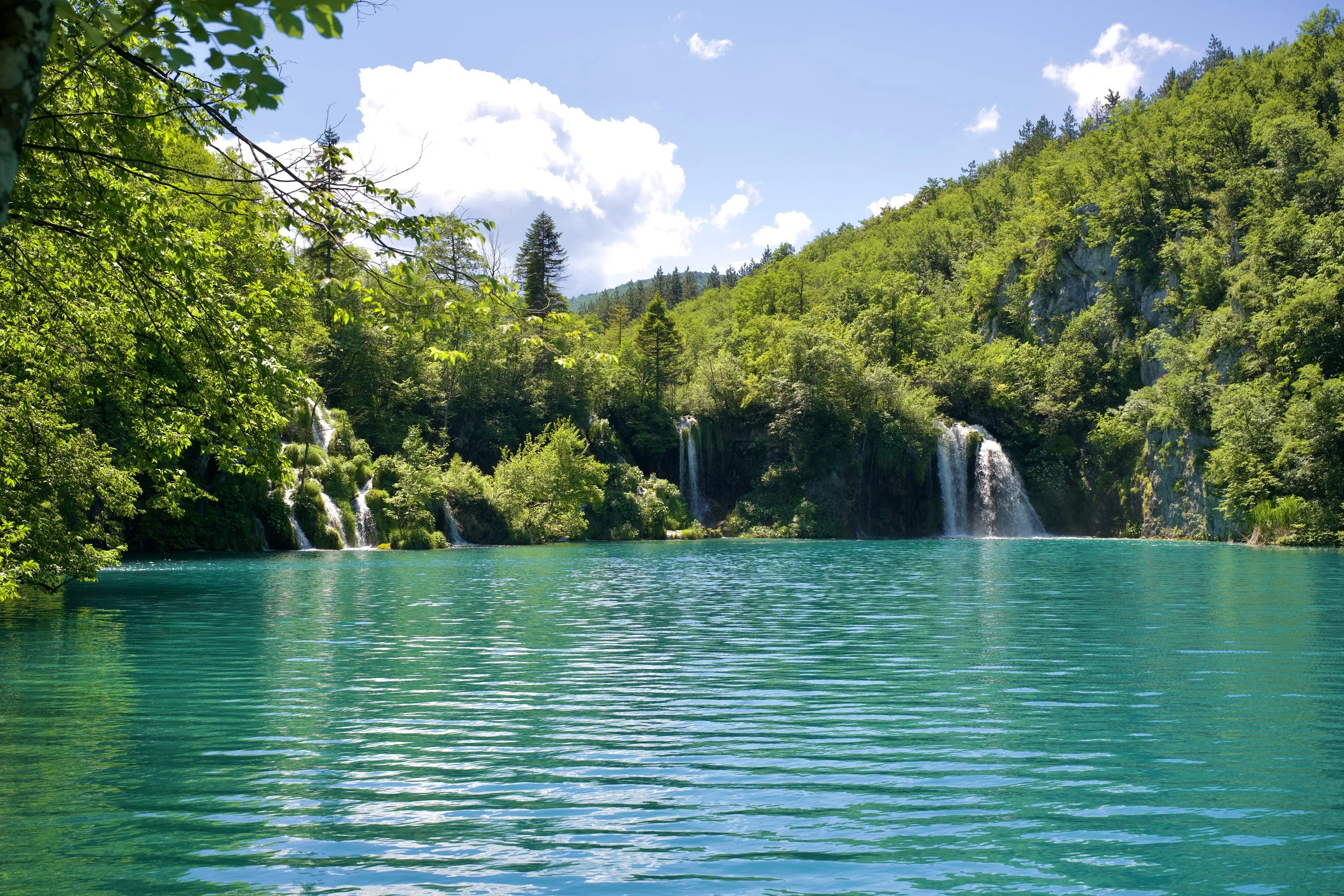
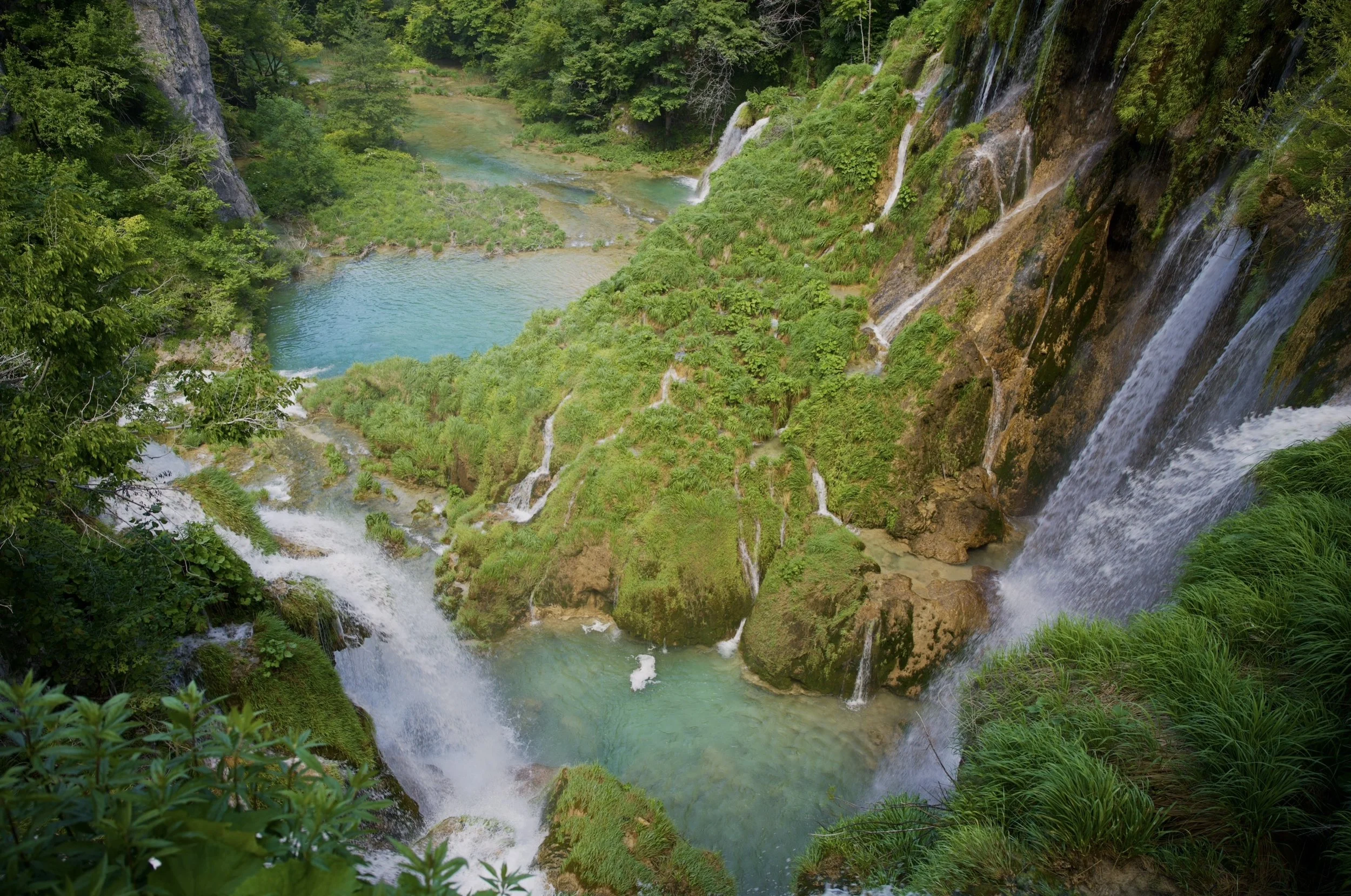
Dobar Dan Prieteljie, hope you are well wherever you are in the world. Today’s Super Slatko Report takes us back to one of our favorite Croatian locations, Plitvice lake. If you’ve ever been, you’ll know first hand how spectacular and fantastic this place is. But Plitvice could have been very different, had it not been for 3 amazing people. Today I will introduce them to you. Let’s meet them.
Allow me to introduce you to, Dr. Gustav Janeček, let’s call him the Organizer and Developer of this project
Gustav Janeček was born on November 30, 1848, in Konopiště, Bohemia, in what is now the Czech Republic. A chemist and pharmacist by profession, he studied in Prague and worked in Vienna before becoming a chemistry professor at the University of Zagreb in 1879. He helped establish modern chemistry and pharmacy education in Croatia and eventually served as the university’s rector; meaning the head of the university
Captivated by Plitvice’s beauty, and who isn’t, Janeček helped establish the Society for the Beautification of Plitvice Lakes and their Environs in 1893, where he served as its vice president for 35 years! The society developed paths, bridges, viewpoints, and accommodation, making the lakes more accessible while committing itself to preserving their beauty and studying their natural features. His key contribution was organization, turning his admiration for the lakes into an ongoing effort involving members, money, research, and practical improvements. For him, Plitvice was a natural treasure worth sharing and caring for. Today, a plaque beside Milanovac Lake and the Janeček Steps near the Great Waterfall commemorate his efforts and dedication.
Next up is Milka Trnina, she’s the Benefactor, the money…
Milka Trnina was born on December 19, 1863, in Doljnji Sip near Vezišće, close to Križ in present-day Croatia. Born Katarina, she became an internationally celebrated dramatic soprano, training in Zagreb and at the Vienna Conservatory before building a career across Europe and the United States. Her performances took her to London’s Covent Garden and New York’s Metropolitan Opera, where she became particularly admired for her Wagner roles and her portrayal of Puccini’s Tosca. This was serious star power for the time, cross continental celebrity status.
When the Plitvice society asked her to support its work, Trnina answered with her voice and her generosity. According to the park’s detailed historical account, she performed in Wagner’s Tannhäuser at Zagreb’s Croatian National Theatre on March 21, 1898, donating the performance’s entire proceeds to the society. Her gift supplied practical financial support for its work at the lakes. In gratitude, the society named the waterfalls between Milanovac and Gavanovac after her, announcing the honor during the performance.
Last but certainly not least, Dr. Ivo Pevalek, the Scientist and Conservationist
Ivo Pevalek was born on May 8, 1893, in Novigrad Podravski, in northern Croatia’s Podravina region. A botanist by profession, he earned his degree and doctorate in Zagreb and became a university professor, institute head, and member of the academy of sciences and arts. His research covered plants, fungi, and algae, with a particular interest in the organisms involved in building tufa, the porous limestone that forms Plitvice’s natural barriers (that I’ve covered here on the pod before). While visitors were admiring the waterfalls, Pevalek was more interested in understanding the rock and mineral deposits that make the falls… fall…
His crucial contribution was demonstrating the importance of aquatic mosses and algae in the formation of Plitvice’s tufa barriers, helping explain how the lakes and waterfalls develop. Mineral deposits accumulate around living communities, gradually building the barriers that hold back water and create the terraced landscape. All that activity coming together so wonderfully made protection of these falls a scientific necessity. Preserving this amazing landscape required preserving the conditions and organisms that continually create it. Pevalek was already pushing for protections at a Berlin lecture in 1920, and he later opposed threats, including tufa extraction and forest cutting. His research and persistent campaigning helped bring about Plitvice’s formal designation as a national park on April 8, 1949. Today, the park’s Dr. Ivo Pevalek Scientific Research Centre carries his name, continuing his work of understanding and protecting Plitvices natural wonders.
Each one of these people are amazing in their own right, but together they were able to preserve one of the most beautiful landscapes on the planet. Croatia is fortunate to have so many gems within its borders, Plitvice is probably one of the shiniest ones on the list. Because of these founders and their conservation efforts, generations of Croatians and travelers alike get to experience the beauty of this place as it was meant to be.
And that’s it for the super Slatko report.