Episode 180
Sretno prijatelji! Kako ste?
Since we are all in World Cup mode, we’re going to do a lesson of the emotions of victory and especially defeat!
Thankfully these words apply to more than just nogomet, but they definitely feel stronger when you’re in a stadium with 70,000 people!
Lesson
The emotions of victory and defeat. - Emocije pobjede i poraza.
happy - sretan/sretna. (Mi smo sretni!)
sad. - tužan/tužna. - (Vi ste tužni.)
delighted. - oduševljen/oduševljena. (Oni su oduševljeni.)
angry. - ljut/ljuta. (One su ljute.)
proud- ponosan/ponosna. (Ja sam ponosan.)
disappointed - razočaran/razočarna. (Ti si razočaran.)
to cry - plakati (Ja plačem. Mi plačemo.
Super Slatko Report
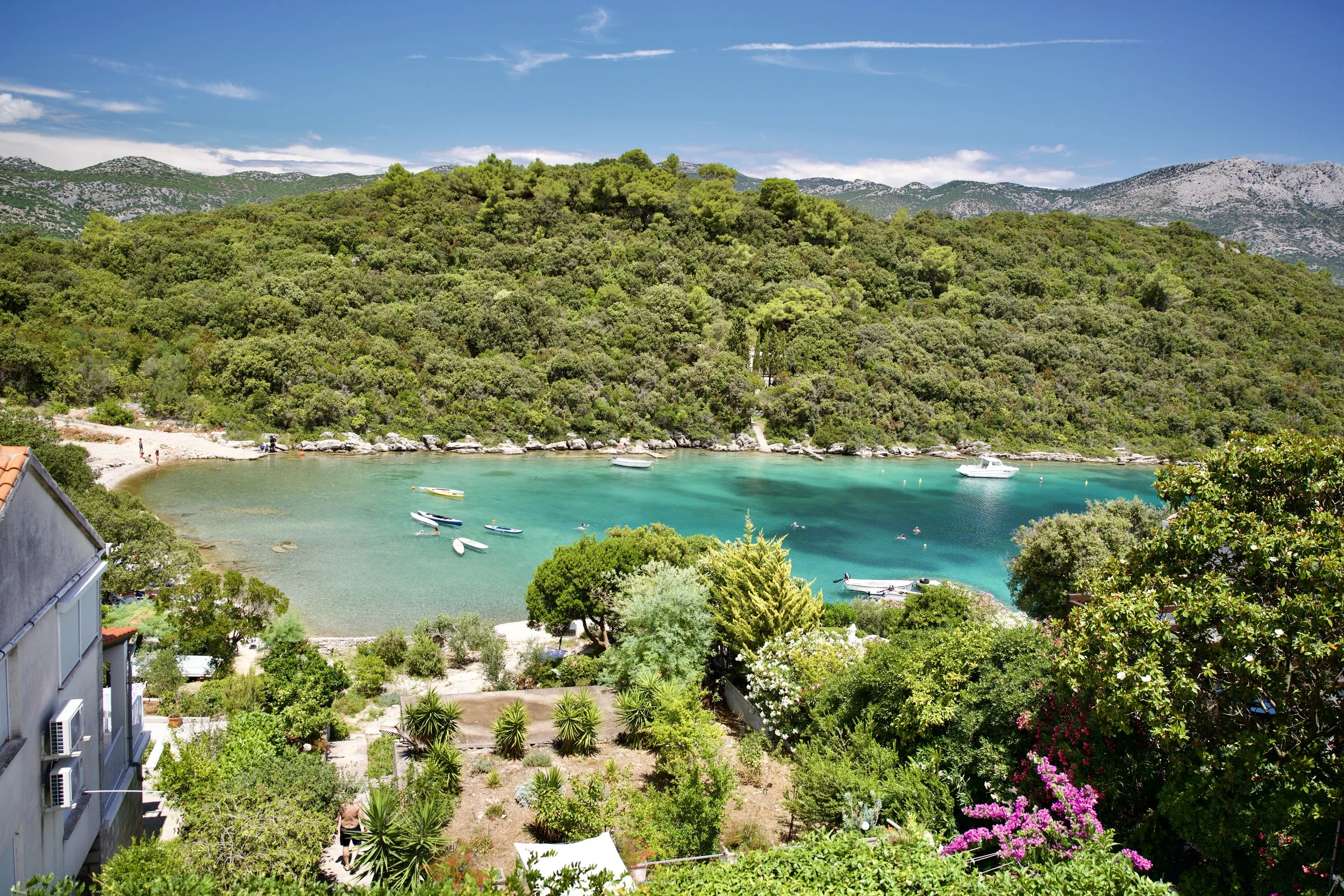
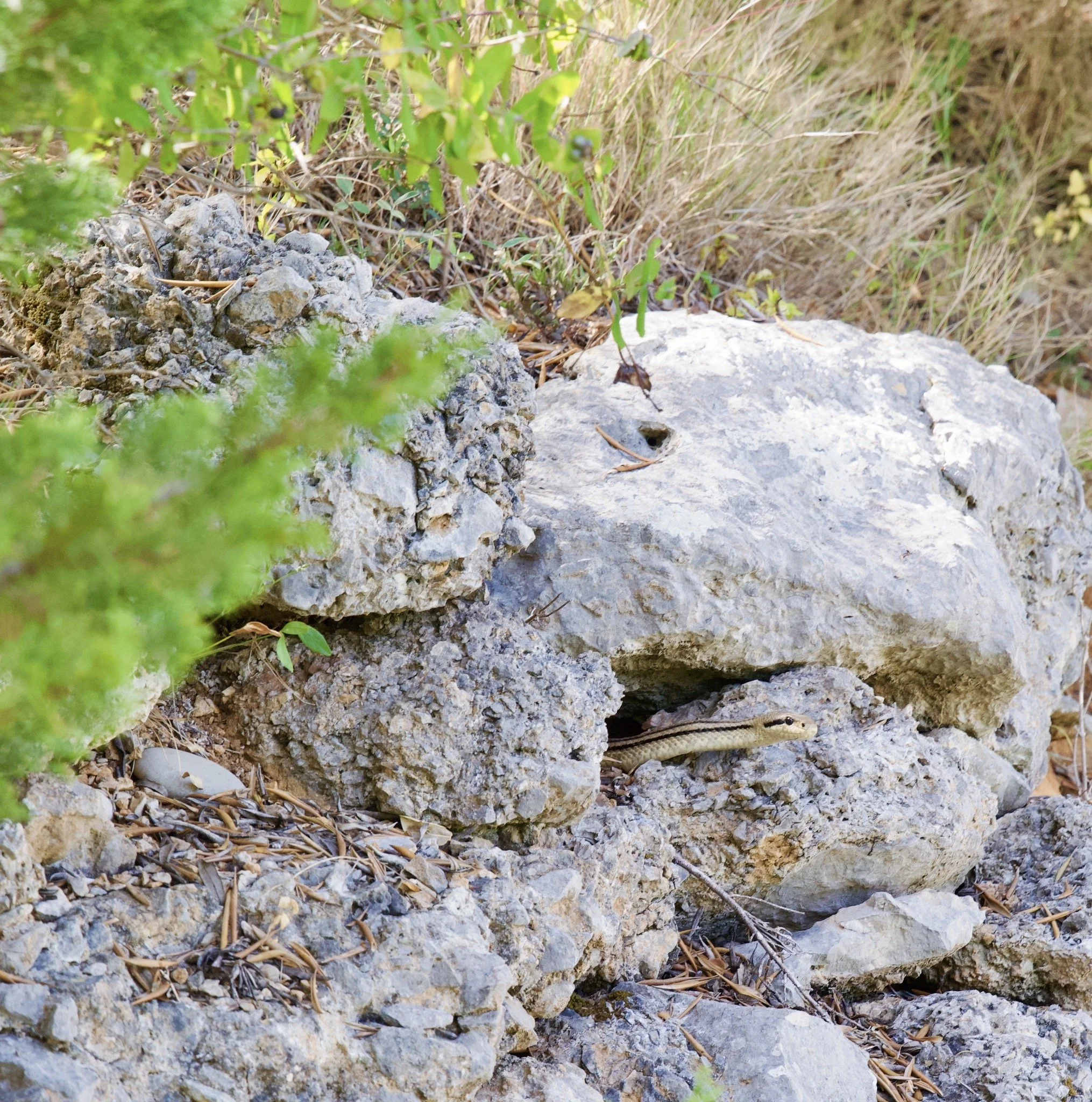
In this edition of the Super Slatko Report, DJ Moe will tell us about his encounter with a mysterious creature on the island of Korčula. No, not Tony D., but the European Glass Lizard. Join us!
If you have ever been strolling through the Croatian countryside and suddenly spotted what looks like a snake wearing a lizard disguise, congratulations, you may have just met the European glass lizard, known as a Blavor in Croatian. Despite the dramatic name, this fascinating reptile is neither made of glass nor particularly interested in shattering into a thousand pieces. The species was formally described by naturalist Peter Simon Pallas. Peter Simon Pallas was a Prussian zoologist who made the discovery back in 1775, during an era when European scientists were busily cataloging the natural world. The European Glass Lizard or Blavor, is native to southeastern Europe and parts of western Asia, and has spent centuries confusing hikers, gardeners, and just about anyone who assumes that anything long and legless must automatically be a snake.
So what exactly is this mysterious creature? The European glass lizard, scientifically known as Pseudopus apodus, belongs to the reptile class, the phylum Chordata, and the order Squamata, the same large group that includes both lizards and snakes. More specifically, it is part of the Anguidae family, making it much more closely related to lizards than snakes. Adults commonly reach between 90 and 135 centimeters (or roughly 3 to 4.5 feet in length), making them among the largest legless lizards in the world. Their coloration ranges from tan and bronze to olive brown, often with subtle markings or spots. The biggest giveaway that you are looking at a lizard and not a snake is the presence of movable eyelids and visible ear openings. Snakes have neither. Glass lizards also tend to have a stiffer body shape and move with less of the that smooth, flowing motion that snakes are known for.
The European glass lizard enjoys a fairly impressive passport. It can be found across the Balkans, including Croatia, Slovenia, Bosnia and Herzegovina, Montenegro, Serbia, North Macedonia, Greece, and parts of Romania, Bulgaria, Turkey, and beyond. They favor warm climates with open grasslands, scrublands, rocky hillsides, forest edges, vineyards, and agricultural areas. Unlike wolves or meerkats, glass lizards generally prefer a solitary lifestyle. They do not form family groups, or maintain dens. Most individuals spend their lives roaming alone, interacting with others primarily during the breeding season.
When it comes to behavior, the European Glass Lizard is about as threatening as a forgotten garden hose. It is completely non-venomous and poses virtually no danger to humans. Rather than attacking large animals, it spends much of its time hunting insects, beetles, snails, slugs, spiders, worms, and other small prey. Occasionally it may consume small rodents or reptile eggs, but it is hardly a fearsome apex predator. If threatened, its first instinct is usually to flee. The “glass” portion of its name comes from its remarkable ability to shed part of its tail when grabbed by a predator. The detached tail wriggles around, distracting the attacker while the lizard makes a quick getaway.
These reptiles are fairly common, although many people never notice them because they spend most of their time hiding out among vegetation, under rocks, or in burrows. They can occasionally turn up in gardens, orchards, vineyards, and rural properties; especially where insects and shelter are plentiful. They are most active during the warmer months of spring, summer, and early autumn. During colder periods they enter a state of winter dormancy known as brumation.
Humans and European Glass Lizards generally have a positive relationship, even if the lizard doesn’t know it. By feeding on slugs, snails, insects, and other small pests, they provide free pest control for farmers and gardeners. They don’t damage crops and are far more likely to help a garden than harm it. While some reptile enthusiasts have occasionally kept them in captivity, they have never become a common domesticated pet. For those travelers visiting Croatia, especially to those more rural regions, national parks, coastal hillsides, or agricultural areas, spotting a Blavor is certainly possible.
So let’s tie this all together. The European Glass Lizard or Blavor, is one of Croatia’s most misunderstood reptiles, a legless lizard that spends its life being mistaken for a snake. It’s harmless, non-venomous, beneficial to local ecosystems, and surprisingly impressive in size. By controlling pest populations and serving as an important part of the food web, it quietly contributes to the health of the environments where it lives. If you encounter one in the wild, your best approach is simple: admire it, give it space, and let it continue on its way. Remember, it’s not a snake, it’s not dangerous, and despite i’ts name, it’s definitely not made of glass.
And thats it for the Super Slatko Report.