Episode 169
Dobar dan dragi prijatelji.
We had a special request from a listener for a lesson and since Valentine’s Day is very near, we present to you some wonderful vocabulary on proposing marriage.
If you have a Croatian special someone, this lesson is for you!
Lesson
To propose marriage - zaprositi
Engagement ring - zaručnički prsten
Romantic spot - romantično mjesto
To get down one knee - kleknuti
Will you marry me? - Hočeš li se udati za mene?
perfect match - savršeni spoj
Prenuptual agreement - predbračni ugovor
Engagement - zaruke
Super Slatko Report
In this edition of the Super Slatko Report, DJ Moe tells about one of Croatia’s longtime musical traditions: Klapa Music! Prepare for an ensemble of acapella voices and some very interesting history. Join us!
Put yourself at Croatian even and you start hearing these harmonies that seem to come to youstraight out of the Adriatic. What you’re probably hearing is Klapa music, this music comes from Croatia’s coastal regions—most famously Dalmatia—where cities like Split, Šibenik, Trogir, and the surrounding islands have been casually harmonizing for centuries. The tradition began organically, with small groups of locals singing together after work, in taverns, or on village squares. The word klapa itself means “a group of friends,” which is the best way to make music if you ask me.
Klapa has a sound you can recognize instantly, even if you don’t know what you’re hearing: you’ll get tight harmonies, emotional deliveries, and zero room for vocal freelancing. It’s traditionally a cappella, meaning no instruments, only voices doing all the heavy lifting. A classic male klapa is built around four vocal parts:
first tenor (carrying the melody),
second tenor,
baritone,
and bass.
Female klapas exist too, with similar harmonic structures. Instruments do appear in modern versions, they’re usually subtle, like a guitar or mandolin, but purists will tell you that a singing voice is all you need.
Klapa singers are often made up of friends, neighbors, coworkers, or family members, people bound more by proximity and shared life than formal musical training. What do they sing about? The usual stuff: Love, loss, the sea, wine, faith, home, etc.. Many songs are deeply traditional, passed down orally through generations, with lyrics and melodies. A few songs you should look into that are probably must listens are:
“Dalmatino povišću pritrujena,”
“O more duboko,” or
“Cesarica” (popularized in klapa style)
Klapa isn’t singing about the Croatian culture, it is Croatian culture, especially along the coast. It emerged just like all music does, a need for expression an outlet. Singing about maritime communities where life was hard, singing about hardship is common any where you go. Klapa became a way to mark moments: celebrations, mourning, religious feasts, and anything else they could think of. It’s less about performance and more about releasing the song and the story it’s telling.
When people connect with Klapa music they don’t just listen to it, they feel it, often loudly and with tears (I’ve seen it). Beyond Croatia, klapa has found audiences wherever the Croatian diaspora exists, from places like here in North America and all the way to our good friends in Australia. International recognition peaked in 2012 when UNESCO placed klapa singing on its list of Intangible Cultural Heritage.
The crown jewel of this tradition is the Festival of Dalmatian Klapa in Omiš, held every summer since 1967. Winning in Omiš is basically the klapa equivalent of earning a Michelin star. Today, klapa appears in concerts, competitions, churches, weddings, and even on YouTube and TikTok videos, so when you get a chance check it out, it’s an easy inter web search.
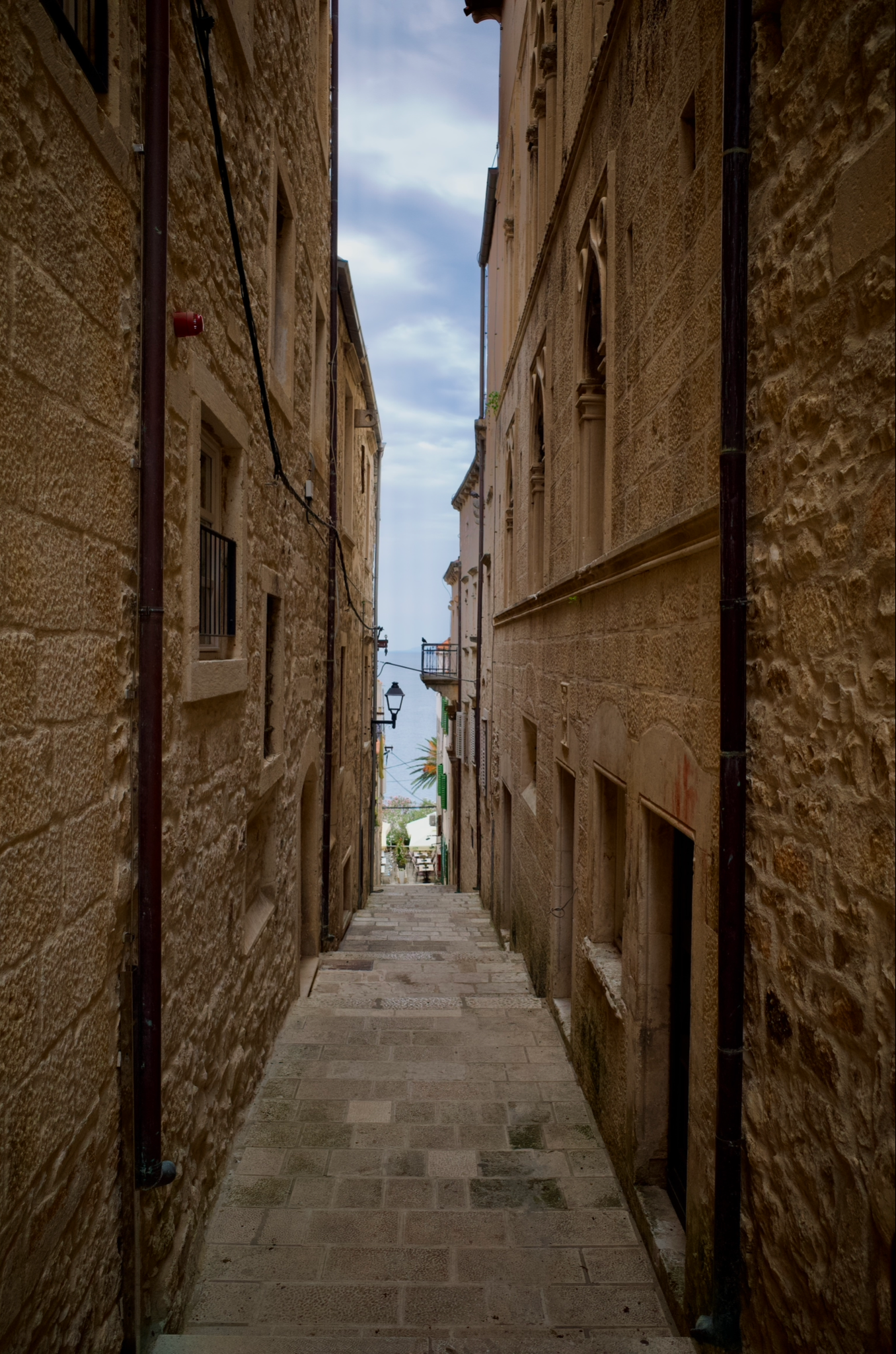
From casual gatherings of friends to international stages, klapa music has traveled a long way. It remains one of the purest expressions of Croatian identity—unpolished, emotional, communal, and deeply human. You can still hear it echoing through old stone streets, at summer festivals, or late at night when a group decides that singing together is the only correct ending to the evening.
And thats it for the Super Slatko Report.