Episode 167
Sretna Nova Godina, prijatelji!
The new year is here and we’re dedicating this lesson to some wonderful Australian words!
Thank you Aussies for making our podcast a part of your lives.
Now it’s our turn to tease you with fun down-under terms.
Lesson
Kangaroo - klokan
Koala - koala
Venomous snakes - otrovne zmije
Flip-flops - thongs - japanke
Gasoline - petrol - benzin
Left side - lijeva strana
Australians drive on the left side of the road. - Australci voze lijevom stranom ceste.
Some Australians celebrate Christmas with a barbecue/barbie on the beach. - Neki Australci slave Božić roštiljanjem na plaži.
Super Slatko Report
In this edition of the Super Slatko Report, DJ Moe takes a deeper dive into the amazing city of Dubrovnik. There is so much to learn about this destination, and DJ Moe gives us a nice dose of interesting facts.
Welcome to Dubrovnik, the southernmost jewel of Croatia, perched proudly along the Adriatic Sea in the region of Dalmatia. It sits close to the borders of Bosnia and Herzegovina and Montenegro. The city proper is home to roughly 42,000 residents, while the wider Dubrovnik metropolitan area—including suburbs like Lapad, Gruž, and Župa Dubrovačka—pushes closer to 65,000. Dubrovnik’s historic Latin motto, “Libertas,” meaning freedom, is more than branding—it’s a worldview carved into stone. While there’s no official city animal, the Mediterranean monk seal once frequented these waters, and the city is famously associated with cypress trees, olive groves, and aromatic Mediterranean herbs that seem to perfume the air year-round.
On a map, Dubrovnik hugs Croatia’s southern coastline, rising sharply from sea level into limestone hills that form a natural bowl like amphitheater around the city. The lowest point is, fittingly, the Adriatic Sea itself, while Mount Srđ towers above at about 412 meters (1,352 feet), offering views that feel unfair to every other coastal city. Dubrovnik covers approximately 21.4 square kilometers, (8.3 square miles) making it compact but vertically dramatic. Outside the dense urban areas, the landscape turns rugged—rocky karst terrain dotted with pine forests, shrubs, and pockets of cultivated land. The city hugs the sea, boasting dozens of beaches ranging from pebbled coves to rocky swimming platforms. Native wildlife includes lizards, hedgehogs, seabirds, dolphins offshore, and the occasional wild boar wandering the hills inland.
All those cliffs, coves, and natural defenses explain why people settled here early—originally by Illyrians, followed by Romans who founded a nearby settlement called Epidaurum in the 1st century. Refugees fleeing invasions in the 7th century established Ragusa, the city that would later become Dubrovnik. The name “Dubrovnik” likely comes from dubrava, a Slavic word meaning oak grove, referencing the wooded land once nearby. Over centuries, the city changed hands diplomatically more than militarily, navigating between Byzantine, Venetian, Hungarian, and Ottoman spheres of influence. The longest-lasting power was its own—the Republic of Ragusa—which ruled independently from the 14th century until 1808, mostly built on trade, diplomacy, and an almost obsessive commitment to neutrality.
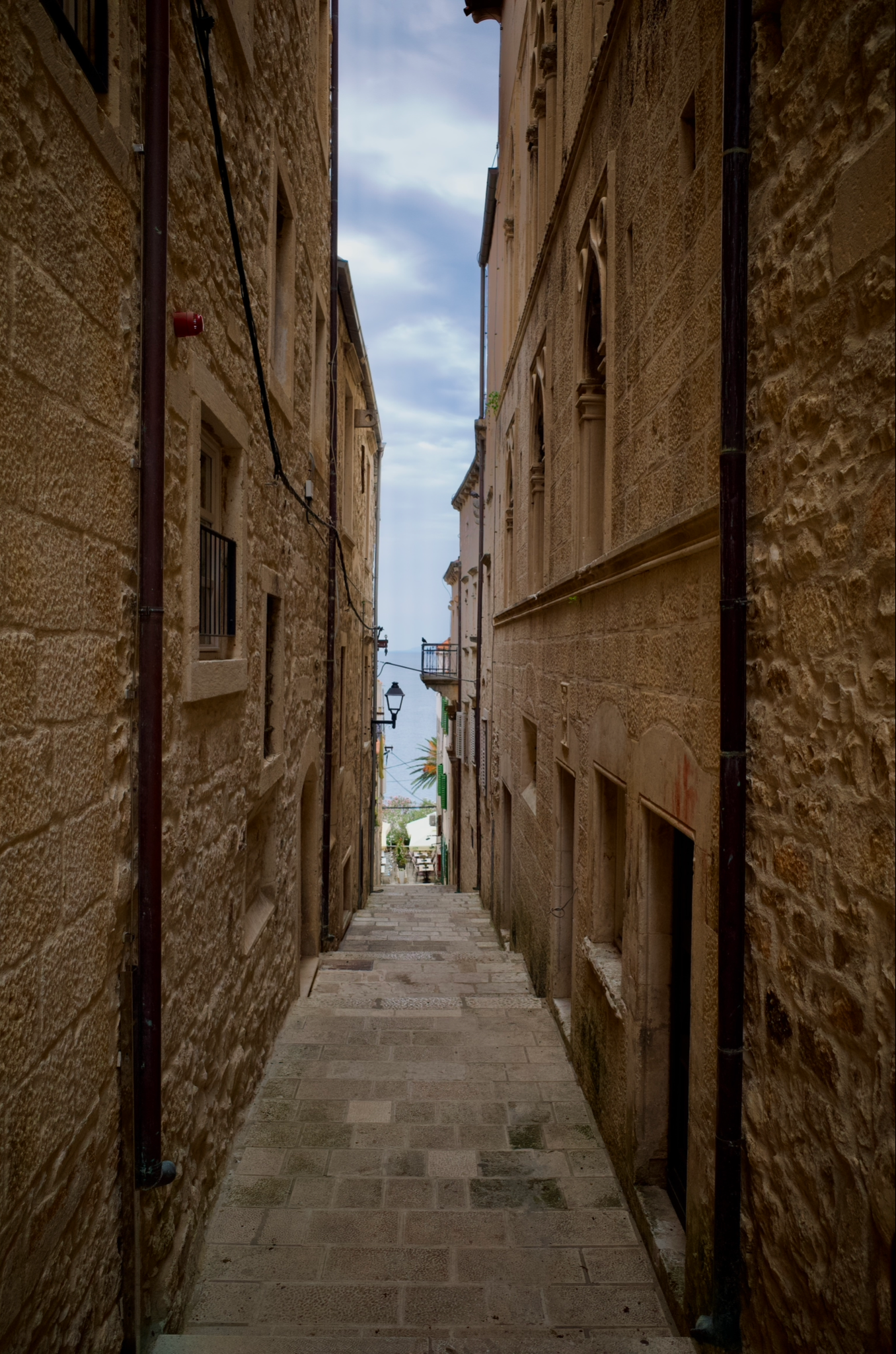
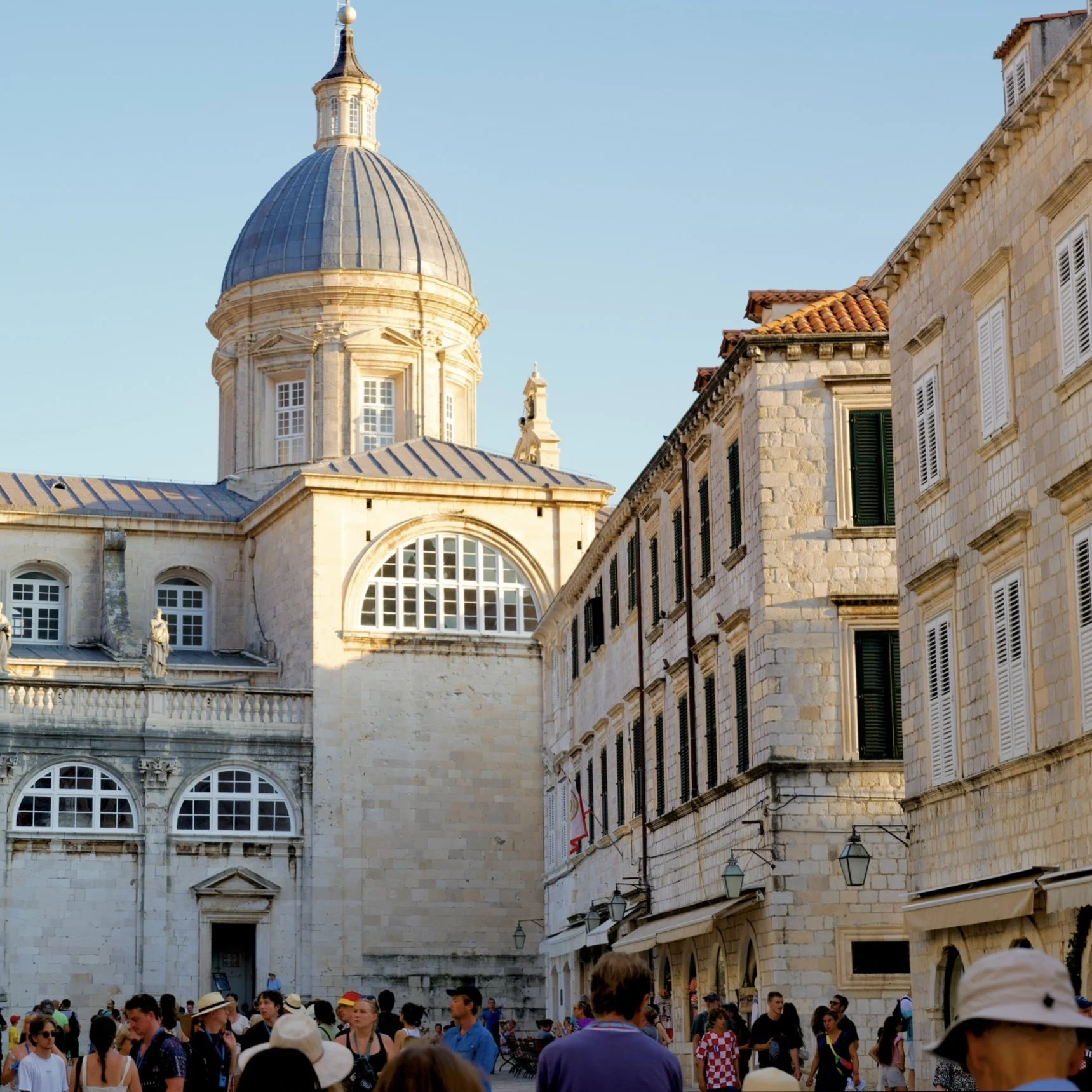
The postcard-perfect Old Town UNESCO heritage site that we know and love today didn’t appear overnight—it was built, rebuilt, reinforced, and refined over several centuries, primarily between the 12th and 17th centuries. Its famous walls, stretching nearly two kilometers, were engineered by local and Italian master builders to repel invaders and intimidate would-be attackers. Inside the walls lived a carefully layered society: noble families governed, merchants fueled the economy, artisans worked the trades, and sailors connected Dubrovnik to the wider world. Wealthy families like the Sorkočević, Gundulić, and Gozze clans shaped city politics and culture, with palaces and streets still bearing their names today. These families thrived mainly between the 14th and 17th centuries.
Dubrovnik punched far above its weight in shaping historical understanding of diplomacy, maritime law, and early public health. It was among the first states to establish a quarantine system in the 14th century, a concept still foundational today. Artistically, the city birthed literary giants like Ivan Gundulić, whose works are cornerstones of Croatian literature. Dubrovnik also became a hub for theater and music, traditions that continue today through the Dubrovnik Summer Festival, (see SSR 133) where Renaissance streets double as open-air stages. Painters, poets, composers, and scholars passed through or lived here, drawn by the city’s wealth, stability, and intellectual freedom.
Dubrovnik began expanding beyond its walls in the late 19th and early 20th centuries, driven by population growth, modern infrastructure, and later, tourism. Today, Old Town has very few permanent residents, while most locals live in surrounding neighborhoods like Lapad, Gruž, and Ploče. People typically commute into Old Town for work—especially in tourism, hospitality, and cultural preservation. Transportation is easy: no trams or trains within the city, just an efficient bus system, cars, boats, and a lot of walking. Visitors can arrive via Dubrovnik Airport, long-distance buses, ferries, and cruise ships that glide into the port like floating cities. Tourists flock to see the walls, the sea, and the history, if you ask me for a must-do experience in Dubrovnik, it has to be walking the city walls at golden hour, its photographers dream for landscape shots or portraits.
How to beat the heat as a visitor:
Top tip #1 - if you choose to walk the city walls, and golden hour doesn’t work with your schedule, opt for an early morning walk, or do your best to avoid the full sun, the walls are practically white and radiate heat during a hot Croatian summer day.
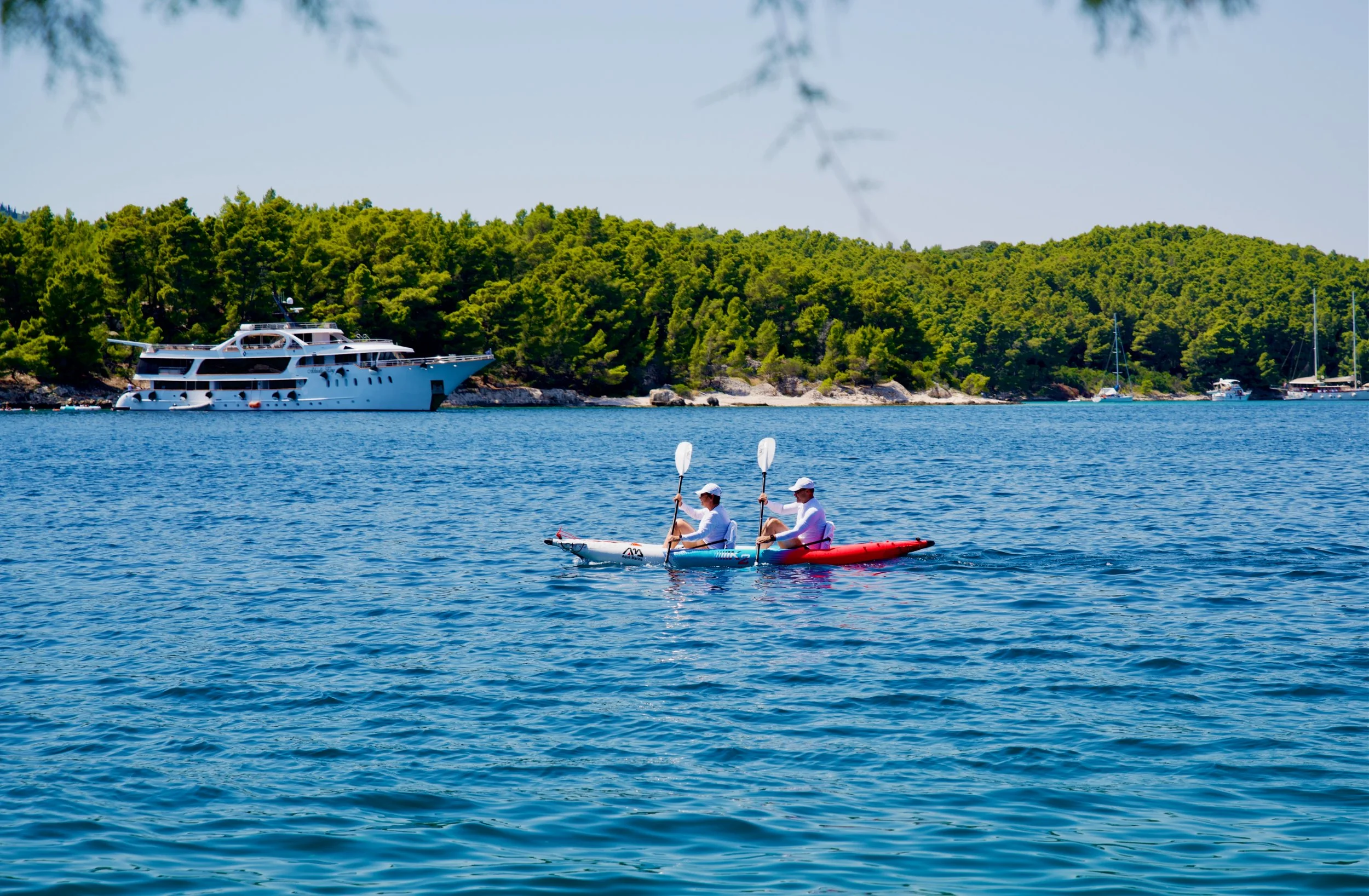
Top tip #2 - if it’s too hot, try the kayak experience around the walls, you’ll be right near the water where it’s cooler and you also get a jaw-dropping perspective of the walls and city from an entirely different perspective.
Top tip #3 - Sladoled, Sladoled, Sladoled.
Dubrovnik, from its rocky cliffs and medieval walls to its literary legacy and modern tourism buzz, this city continues to balance the weight of its past with the energy of the present. It’s a place whose beauty keeps visitors coming back, year after year, chasing that rare feeling of stepping into a city that knows exactly who it is—and has known it for centuries.
And that’s it for the Super Slatko Report.